
Anúncios
When it comes to protecting your bike, choosing the right coverage is essential. Whether you’re a seasoned rider or new to the road, having a reliable plan ensures peace of mind. With so many options available, it can be challenging to know where to start.
Our analysis focuses on providers that offer affordable rates without compromising on quality. We’ve evaluated factors like customer satisfaction, coverage options, and repair services to help you make an informed decision. From Progressive’s accident forgiveness to Harley-Davidson’s benefits for new riders, there’s something for everyone.
Anúncios
Understanding the details of your policy is crucial. We’ve included insights from CRASH Network professionals and average rates in high-registration states like California and Florida. This ensures you get the most value for your investment.
Key Takeaways
- Top providers offer competitive rates and quality coverage.
- Progressive and Harley-Davidson stand out for unique benefits.
- Customer satisfaction and repair quality are key evaluation factors.
- Average rates vary significantly in high-registration states.
- CRASH Network insights provide valuable repair service grades.
Introduction to Motorcycle Insurance
Navigating the world of motorcycle insurance can seem overwhelming, but it doesn’t have to be. Whether you’re a new rider or a seasoned pro, understanding the basics is essential. In 47 states, having an insurance policy is a legal requirement. Only Florida, Montana, and Washington don’t mandate it. However, even in these states, riding without coverage can lead to significant financial risks.
Typical insurance coverage includes three main components: liability, collision, and comprehensive. Liability covers damages to others if you’re at fault. Collision handles repairs to your bike after an accident. Comprehensive protects against non-collision events like theft or natural disasters. Each component plays a vital role in keeping you and your ride safe.
Riding uninsured can leave you vulnerable to high out-of-pocket expenses. Medical bills, repair costs, and legal fees can add up quickly. If you’ve financed your bike, most lenders will require full coverage until it’s paid off. This ensures their investment is protected.
Beyond the basics, optional add-ons like roadside assistance can provide extra peace of mind. These extras are worth considering if you frequently ride long distances or in remote areas. Below is a breakdown of typical coverage options and their benefits:
| Coverage Type | What It Covers |
|---|---|
| Liability | Damages to others if you’re at fault |
| Collision | Repairs to your bike after an accident |
| Comprehensive | Non-collision events like theft or natural disasters |
| Roadside Assistance | Help with breakdowns, flat tires, or towing |
Understanding your insurance costs is also important. Annual premiums can range from $200 to $3,000, depending on your coverage level and location. By knowing what’s included in your policy, you can make informed decisions that suit your needs and budget.
Why You Need Motorcycle Insurance
Riding without proper protection can lead to serious financial and legal consequences. According to the NHTSA, motorcyclists are 28 times more likely to die in crashes than car occupants. This stark statistic underscores the importance of having a solid insurance policy in place.
One of the primary reasons to invest in motorcycle insurance is medical cost protection. Accidents can result in hefty hospital bills for both riders and passengers. Without coverage, you could be left paying thousands out of pocket. A good plan ensures you’re not burdened by these expenses.
Another critical aspect is asset protection. If you’re at fault in an accident, liability lawsuits can threaten your savings, home, or other assets. Motorcycle insurance shields you from these financial risks, giving you peace of mind on the road.
If you’ve financed or leased your bike, most lenders will require full coverage until it’s paid off. This protects their investment and ensures you’re not left with a damaged or totaled bike and no way to replace it.
When comparing insurance costs to out-of-pocket accident expenses, the choice is clear. A single accident can cost far more than years of premiums. Additionally, in states that require coverage, riding uninsured can lead to fines, license suspension, or even legal action.
Your driving record also plays a role in your coverage needs. A clean record can lower your premiums, while violations may increase them. Either way, having a plan in place is non-negotiable for your safety and financial security.
How We Chose the Best Motorcycle Insurance Companies
Selecting the right provider involves more than just comparing prices. We evaluated multiple factors to ensure you get the most reliable and comprehensive plan. Our process includes analyzing customer feedback, specialty coverage options, and repair service quality.
We started by reviewing NAIC complaint ratios. These ratios show how often customers file complaints against insurance companies. Lower ratios indicate better customer satisfaction. This data helps us identify providers that prioritize your needs.
Next, we looked at specialty coverages. Not all plans are the same. Some offer unique benefits like track day protection or replacement cost coverage. These niche options can be crucial for riders with specific needs.
Repair quality is another key factor. We used CRASH Network grades, based on feedback from over 1,000 professionals. These grades reflect how well providers handle collision repairs. A high score means fewer hassles and better service for you.
For occasional riders, seasonal discounts like lay-up policies can save money. These plans reduce premiums during months when your bike isn’t in use. It’s a great way to cut costs without sacrificing coverage.
Finally, we considered convenience. Providers offering online quote tools make it easy to compare plans. This feature is especially helpful if you’re looking for quick answers in available states.
“The right plan isn’t just about price—it’s about finding a provider that meets your unique needs.”
Here’s a summary of our evaluation criteria:
| Criteria | Weight |
|---|---|
| NAIC Complaint Ratios | 30% |
| Specialty Coverage Options | 30% |
| CRASH Network Repair Grades | 20% |
| Lay-Up Discounts | 10% |
| Online Quote Availability | 10% |
By focusing on these factors, we’ve identified providers that offer both value and reliability. Whether you’re looking for a safety course discount or comprehensive protection, our analysis ensures you make an informed choice.
Top Motorcycle Insurance Companies for Affordable Rates
Finding the right coverage for your ride doesn’t have to be complicated. With so many providers offering unique benefits, there’s a plan for every type of rider. Whether you’re looking for accident forgiveness or specialized coverage for custom builds, these companies stand out for their value and reliability.
Progressive – Best for Accident Forgiveness
Progressive is a top choice for riders who want peace of mind. Their accident forgiveness feature ensures your rates won’t increase after your first at-fault accident. This is a great option for those who want to protect their premiums.
Harley-Davidson – Best for New Riders
Harley-Davidson offers tailored plans for new riders. Their Harley replacement clause ensures you get a brand-new bike if yours is totaled within the first few years. This is perfect for those just starting their riding journey.
Foremost – Best for Track Riders
Foremost specializes in coverage for track enthusiasts. Whether you’re racing or practicing, their plans protect you on and off the track. This makes them a favorite among competitive riders.
Nationwide – Best for Motorcycle Collectors
Nationwide is ideal for collectors who own multiple bikes. Their plans cover everything from vintage models to modern classics. They also offer manufacturer parts guarantees, ensuring your bike is repaired with original components.
Safeco – Best for Homemade and Kit Bikes
Safeco is the only provider offering coverage for homemade bikes and kit bikes. Their unique plans protect custom builds, giving DIY enthusiasts the security they need. They also include 24/7 roadside assistance as standard.
“The right plan isn’t just about price—it’s about finding a provider that meets your unique needs.”
| Provider | Specialty |
|---|---|
| Progressive | Accident Forgiveness |
| Harley-Davidson | New Rider Benefits |
| Foremost | Track Rider Coverage |
| Nationwide | Collector Bike Plans |
| Safeco | Custom Build Protection |
Other Companies We Considered
Exploring additional options can help you find the perfect fit for your needs. While some providers excel, others may have limitations that could affect your decision. Here’s a closer look at a few insurance companies we considered but didn’t make the top list.
USAA is a standout for military members, but its exclusivity limits its accessibility. If you’re not in the military, this provider isn’t an option. While their insurance plans are highly rated, they’re only available to a specific group.
GEICO, known for its car insurance, offers basic coverage for riders. However, it lacks standout features like accident forgiveness or specialized plans. If you’re looking for more than just standard protection, this might not be the best choice.
Farmers is a subsidiary of Foremost, but it falls short in certain areas. For example, its trailer coverage is inferior compared to Foremost’s offerings. If you frequently tow a trailer, this could be a dealbreaker.
Allstate is another provider we reviewed. While it offers solid plans, it excludes antique bikes from coverage. If you own a vintage model, you’ll need to look elsewhere for protection.
Voom’s pay-per-mile model is unique but has limitations. It’s ideal for occasional riders, but frequent travelers might find it less cost-effective. Additionally, it’s not available in all available states, which could restrict your options.
Your driving record and specific needs will play a role in choosing the right provider. While these companies didn’t make our top list, they might still be worth considering depending on your situation.
Types of Motorcycle Insurance Coverage
Understanding the different types of coverage can help you make smarter decisions for your ride. Whether you’re a daily commuter or a weekend warrior, knowing what’s included in your policy ensures you’re fully protected on the road.
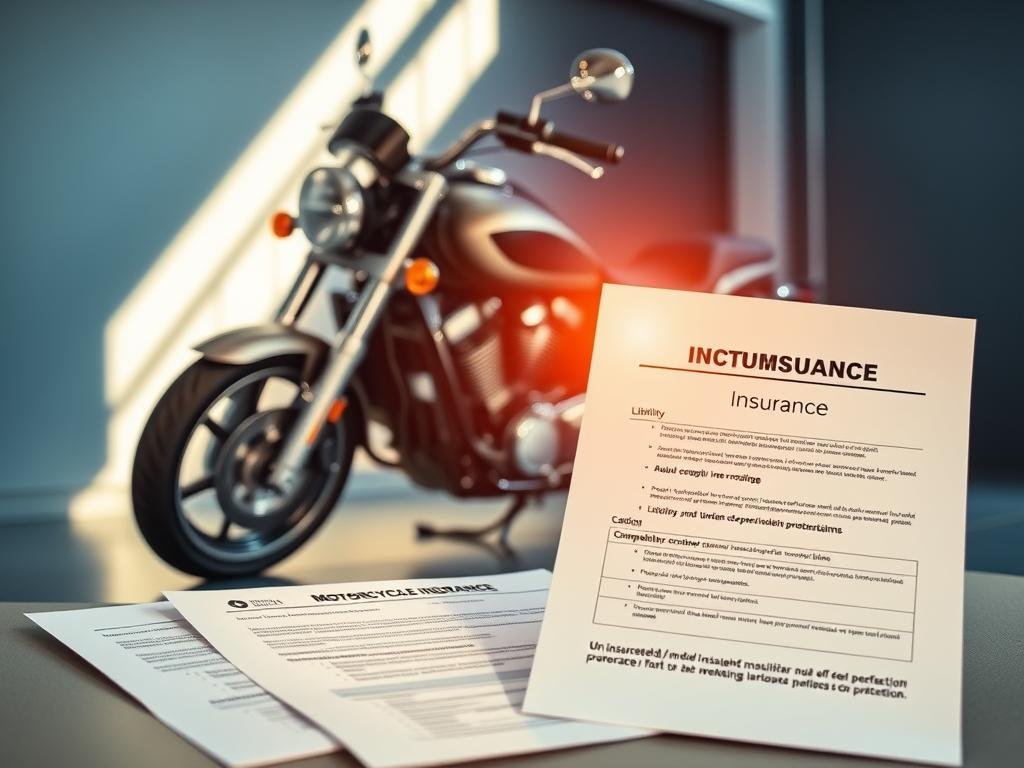
Liability coverage is the foundation of most plans. It covers damages to others if you’re at fault in an accident. Minimum liability limits range from $25,000 to $50,000, depending on your state. Some states also require uninsured motorist (UM) protection, which shields you if the other driver lacks insurance.
Collision and comprehensive coverage protect your bike. Collision handles repairs after an accident, while comprehensive covers non-collision events like theft or natural disasters. Both are essential if you’ve financed your ride, as lenders often require them.
Medical payments and personal injury protection (PIP) cover medical expenses for you and your passengers. PIP is broader, often including lost wages and rehabilitation costs. If you frequently ride with passengers, guest passenger liability is another option to consider.
Here’s a quick breakdown of key coverage types:
- Liability: Covers damages to others if you’re at fault.
- Collision: Pays for repairs after an accident.
- Comprehensive: Protects against theft, vandalism, and natural disasters.
- Medical Payments/PIP: Covers medical expenses for you and your passengers.
- Uninsured Motorist: Protects you if the other driver lacks insurance.
Your state’s requirements play a big role in shaping your policy. For example, 19 states mandate uninsured motorist coverage. Always check local laws to ensure compliance and avoid penalties.
Common Motorcycle Insurance Add-ons
Enhancing your policy with additional features can provide extra security and convenience. Many riders opt for add-ons to tailor their coverage to specific needs. These extras can protect your bike, gear, and even your peace of mind.
One of the most popular add-ons is roadside assistance. It’s included in 94% of policies and offers help with breakdowns, flat tires, or towing. This is especially useful if you frequently ride long distances or in remote areas.
For those who’ve invested in customizations, optional equipment coverage is a must. It protects accessories like custom paint jobs, upgraded exhaust systems, or saddlebags. On average, this coverage can extend up to $3,000 for your bike’s add-ons.
Safety is another priority. Safety apparel replacement coverage ensures your gear, like helmets and riding jackets, is replaced if damaged in an accident. This is a small addition that can save you hundreds of dollars.
Other valuable add-ons include trip interruption benefits, which cover lodging and meals if your trip is delayed due to a breakdown. Total loss replacement options ensure you get a new bike if yours is totaled within a certain timeframe. Trailer and towing equipment riders are also available for those who transport their bikes frequently.
Here’s a quick overview of common add-ons and their benefits:
| Add-on | Benefit |
|---|---|
| Roadside Assistance | Help with breakdowns, flat tires, or towing |
| Optional Equipment | Protects custom accessories up to $3,000 |
| Safety Apparel | Replaces damaged gear like helmets and jackets |
| Trip Interruption | Covers lodging and meals during delays |
| Total Loss Replacement | Provides a new bike if yours is totaled |
| Trailer/Towing Equipment | Protects equipment used for transporting bikes |
Adding these features to your policy ensures you’re fully protected on the road. Whether you’re safeguarding custom parts or ensuring help is always available, these add-ons are worth considering.
Motorcycle Insurance Requirements by State
Understanding state-specific rules can help you stay compliant and protected. Each state has its own insurance requirements, and knowing yours ensures you’re fully covered on the road. While most states require some form of coverage, three—Florida, Montana, and Washington—don’t mandate it. However, riding uninsured in these areas can still leave you financially vulnerable.
Liability minimums vary widely across the country. For example, Florida requires $10,000 in Personal Injury Protection (PIP), while Michigan offers unlimited PIP coverage. These differences highlight the importance of checking your state’s specific insurance requirements.
Special rules also apply to mopeds and scooters. In some available states, these vehicles fall under different regulations. Always verify whether your ride qualifies as a motorcycle or moped under local laws.
If you frequently travel out of state, ensure your policy covers you across borders. Some plans may limit coverage outside your home state, leaving you unprotected during trips. Double-checking this detail can save you from unexpected expenses.
Penalties for non-compliance can be severe. Riding without proper coverage can result in fines, license suspension, or even legal action. Keeping your driving record clean and your policy up to date is essential for avoiding these consequences.
Here’s a quick overview of key points to remember:
- Three states don’t require coverage, but riding uninsured is still risky.
- Liability minimums vary—Florida requires $10k PIP, Michigan offers unlimited PIP.
- Mopeds and scooters may have different rules in some states.
- Out-of-state coverage is crucial for frequent travelers.
- Penalties for non-compliance include fines and license suspension.
By staying informed about your state’s insurance laws, you can ensure you’re fully protected and avoid unnecessary penalties. Always review your policy details and consult with your provider to confirm compliance.
No-Fault States vs. At-Fault States
Understanding the differences between no-fault states and at-fault states can help you navigate your coverage needs. In the U.S., 12 states follow no-fault laws, while others operate under at-fault systems. Knowing which category your state falls into is crucial for selecting the right insurance policy.
In no-fault states, your personal injury protection (PIP) covers medical expenses, regardless of who caused the accident. This means you file a claim with your own provider, even if another driver is at fault. States like Florida, Michigan, and New York require PIP coverage, ensuring quick access to medical care.
At-fault states, on the other hand, hold the responsible party accountable for damages. If you’re injured in an accident, you can file a claim against the at-fault driver’s insurance. This system often involves lawsuits, especially if there’s a dispute over liability.
Some states, like Kentucky, Pennsylvania, and New Jersey, offer a choice between no-fault and at-fault systems. This flexibility allows you to select the option that best suits your needs. However, choosing no-fault may limit your ability to sue for non-economic damages, such as pain and suffering.
Here’s a quick comparison of key differences:
- PIP Coverage: Required in no-fault states; optional in at-fault states.
- Lawsuit Thresholds: No-fault states often have restrictions on lawsuits, while at-fault states allow broader legal action.
- Medical Claims: Faster processing in no-fault states due to direct PIP claims.
- Premium Costs: No-fault states may have higher premiums due to mandatory PIP coverage.
- Motorcycle Exemptions: Some no-fault states exclude motorcycles from PIP requirements, so check local laws.
Your state’s system can significantly impact your insurance experience. If you live in a no-fault state, ensure your policy includes adequate PIP coverage. In at-fault states, consider higher liability limits to protect against potential lawsuits.
By understanding these differences, you can make informed decisions about your coverage. Always review your policy details and consult with your provider to ensure compliance with local laws.
What to Consider Before Buying Motorcycle Insurance
Your bike’s type and usage can significantly impact your coverage costs. For example, sport bikes often come with premiums 72% higher than other models. This is due to their higher risk of accidents and theft. Understanding how your type bike affects your rates can help you budget better.
Your driving record also plays a big role. A clean record can lower your premiums, while violations may increase them. Taking a safety course can further reduce costs and improve your skills on the road.
Mileage-based pricing is another factor to consider. If you’re an occasional rider, this option can save you money. Lay-up policies are also worth exploring. They reduce premiums during months when your bike isn’t in use.
Your credit score can influence your insurance costs too. Providers often use it to assess risk. Maintaining a good score can help you secure better rates. Bundling your auto and home policies with the same provider can also lead to discounts, averaging around 15%.
Here’s a quick checklist to help you evaluate your options:
- Assess how your type bike impacts rates.
- Check your driving record for potential savings.
- Consider mileage-based pricing or lay-up policies.
- Monitor your credit score for better insurance costs.
- Explore bundling options for multi-vehicle discounts.
By considering these factors, you can find a plan that fits your needs and budget. Always review your insurance policy details to ensure you’re fully protected on the road.
How to Save on Motorcycle Insurance
Saving on your coverage doesn’t have to be a challenge with the right strategies. By exploring available discounts and making smart choices, you can reduce your premiums without sacrificing quality.
One of the easiest ways to save is by completing a safety course discount. Programs like the MSF course can lower your rates by 10-15%. These courses not only save you money but also improve your riding skills.
If you’re 55 or older, check for mature rider discounts. Many providers offer savings for experienced riders. Additionally, installing anti-theft devices can qualify you for further reductions.
Bundling your policies is another great option. A multi-policy discount can save you up to 15% when you combine your auto and home plans with the same provider. Loyalty programs and group memberships also offer exclusive discounts.
Here are more ways to cut costs:
- Opt for paperless billing to earn incentives.
- Store your bike securely during off-seasons for storage discounts.
- Consider paying your premium in full to avoid installment fees.
By taking advantage of these opportunities, you can keep your coverage affordable while staying fully protected on the road.
Conclusion
Choosing the right plan for your ride ensures both safety and savings. From Progressive’s accident forgiveness to Harley-Davidson’s benefits for new riders, each provider offers unique advantages. Comparing these options helps you find the best value for your needs.
Don’t settle for the first quote you receive. Requesting multiple estimates can uncover hidden discounts or better coverage options. Many providers offer savings for safety courses, anti-theft devices, or bundling policies.
Finally, prioritize safety by wearing proper gear and staying informed about local laws. A solid motorcycle insurance plan not only protects your bike but also gives you peace of mind on the road. Take the time to evaluate your options and ride confidently.
